
From Legislation to Action: How Policy Changes Impact Women’s Rights
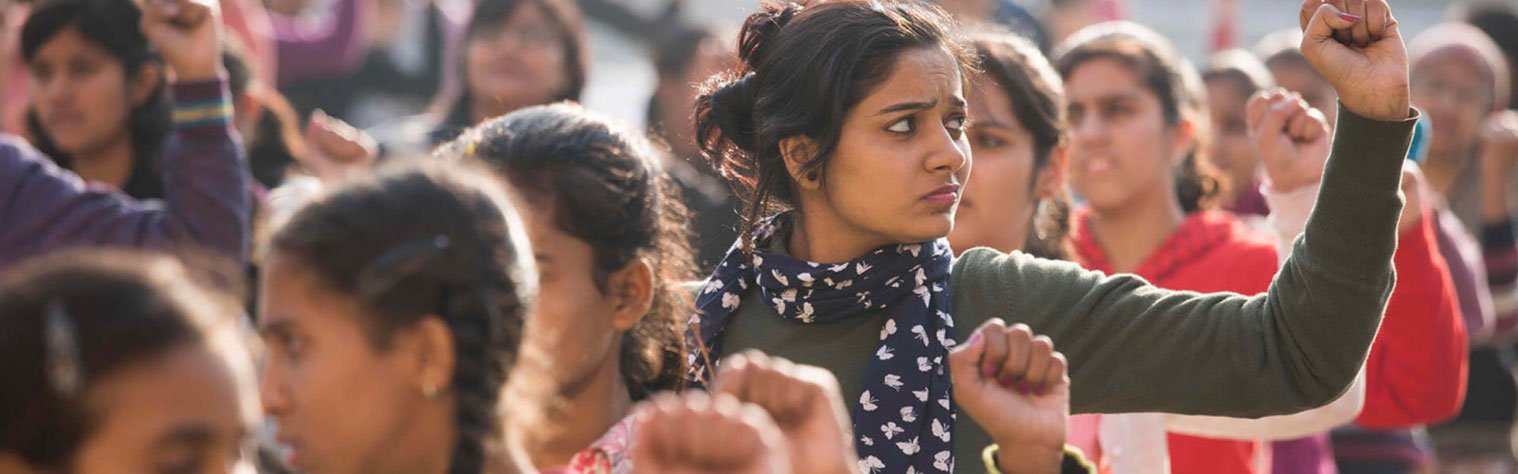
In India, the journey from legislative changes to tangible improvements in women’s rights involves not just enacting laws but also ensuring their effective implementation. Policy changes play a crucial role in advancing gender equality and addressing various issues affecting women. This blog explores how policy changes impact women’s rights in India, the challenges in translating legislation into action, and the steps necessary to make meaningful progress.
1. The Evolution of Women’s Rights Legislation in India
India has witnessed significant legislative advancements aimed at improving women’s rights over the years. Key pieces of legislation include:
- The Constitution of India (1950): Provides fundamental rights and equality before the law. It prohibits discrimination based on gender and ensures equal protection under the law.
- The Dowry Prohibition Act (1961): Aims to combat the practice of dowry and related violence.
- The Protection of Women from Domestic Violence Act (2005): Provides protection to women from domestic violence and ensures legal remedies.
- The Sexual Harassment of Women at Workplace (Prevention, Prohibition, and Redressal) Act (2013): Addresses sexual harassment in the workplace and mandates the creation of internal complaints committees.
- The Criminal Law (Amendment) Act (2013): Strengthens laws related to sexual offenses, including the introduction of the death penalty for the most severe cases.
2. The Impact of Policy Changes on Women’s Rights
Legislative changes are designed to address specific issues and improve conditions for women. Here’s how these policies impact women’s rights:
- Legal Protection: New laws provide a legal framework for addressing issues such as domestic violence, sexual harassment, and dowry-related crimes, offering women recourse through the legal system.
- Increased Awareness: Legislation raises awareness about women’s rights and encourages societal change by highlighting issues that need attention and action.
- Access to Justice: Laws like the Domestic Violence Act and the Sexual Harassment Act improve access to justice by providing mechanisms for women to report abuse and seek legal remedies.
- Empowerment: Legislative changes can empower women by granting them rights and protections that contribute to their overall social and economic well-being.
3. Challenges in Implementing Legislation
Despite progressive laws, several challenges hinder their effective implementation:
- Lack of Awareness: Many women are unaware of their legal rights and available remedies. Awareness programs and legal literacy initiatives are often insufficient.
- Institutional Gaps: Implementation agencies, such as police and judicial systems, may lack the resources, training, and commitment to effectively enforce laws.
- Cultural Barriers: Deep-seated cultural norms and societal attitudes can impede the enforcement of laws and discourage women from seeking help.
- Bureaucratic Hurdles: Administrative inefficiencies and bureaucratic delays can hinder the timely implementation of policies and access to justice.
4. Bridging the Gap Between Legislation and Action
To ensure that policy changes lead to meaningful improvements in women’s rights, several steps are necessary:
- Enhance Awareness and Education:
- Legal Literacy: Conduct awareness campaigns and educational programs to inform women about their rights and available legal remedies.
- Training for Stakeholders: Provide training for law enforcement, judicial officers, and other stakeholders to ensure they understand and effectively implement the laws.
- Strengthen Implementation Mechanisms:
- Resource Allocation: Allocate adequate resources and funding to agencies responsible for implementing women’s rights laws.
- Monitoring and Evaluation: Establish mechanisms to monitor the implementation of laws and evaluate their effectiveness. Regular assessments can help identify gaps and areas for improvement.
- Foster Community Engagement:
- Grassroots Initiatives: Engage community organizations and activists in advocating for women’s rights and supporting the implementation of policies.
- Public Involvement: Encourage public participation in policy discussions and implementation processes to build broader support for women’s rights initiatives.
- Address Cultural and Social Norms:
- Promote Gender Equality: Implement programs that challenge and change harmful cultural norms and attitudes towards women.
- Support Victims: Provide support services for survivors of violence and discrimination, including counseling, legal aid, and rehabilitation.
- Improve Legal Frameworks:
- Comprehensive Laws: Ensure that laws are comprehensive, addressing various aspects of gender-based violence and discrimination.
- Update Legislation: Regularly update and amend laws to address emerging issues and adapt to changing social contexts.
5. Success Stories and Case Studies
Examining successful implementations and case studies can provide insights into effective practices:
- The Beti Bachao Beti Padhao Scheme: This initiative aims to address declining child sex ratios and promote the education of girls. The program has seen positive outcomes in some regions, highlighting the impact of targeted interventions.
- The Nirbhaya Fund: Established to support initiatives for women’s safety and empowerment, the fund has contributed to various projects, including the establishment of fast-track courts and victim support services.
Conclusion
Legislative changes in women’s rights are vital for advancing gender equality and addressing key issues affecting women in India. However, translating legislation into action requires overcoming challenges related to awareness, implementation, and cultural barriers. By enhancing awareness, strengthening implementation mechanisms, fostering community engagement, addressing cultural norms, and improving legal frameworks, we can bridge the gap between legislation and action. Effective implementation of women’s rights policies will lead to meaningful progress and contribute to a more equitable and just society.